
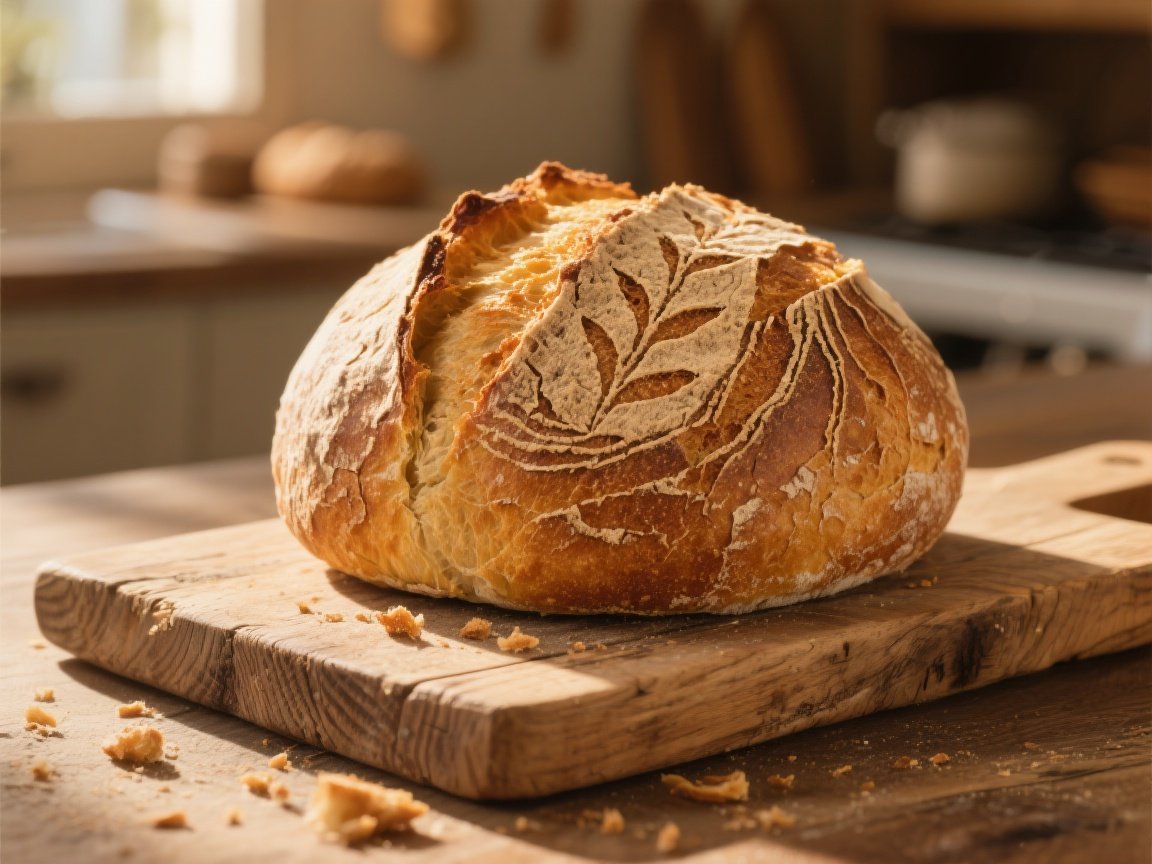
The standard baking time for sourdough bread in a preheated Dutch oven is typically 20-30 minutes covered at 450-500°F, followed by 20-40 minutes uncovered to develop a golden crust. Factors like loaf size, oven temperature, and dough hydration can adjust this sourdough baking time for optimal results.
- Preheat oven and Dutch oven to 450-500°F.
- Bake covered for 20-30 minutes.
- Bake uncovered for 20-40 minutes, until internal temperature reaches 205-210°F.
Table of Contents
- What Factors Influence Sourdough Bread Baking Time?
- Standard Baking Time for Sourdough Bread in a Dutch Oven
- How to Adjust Baking Time Based on Loaf Size
- Scaling bake time for multiple loaves
- Step-by-Step Guide to Baking Sourdough Bread
- Preparing your dough for the oven
- Common Mistakes in Sourdough Baking Timing
- Baking Sourdough Without a Dutch Oven: Time Adjustments
- How Long to Bake Sourdough Bread at Different Altitudes
- Pro Tips for Consistent Sourdough Baking Times
- Frequently Asked Questions About Sourdough Baking Duration
What Factors Influence Sourdough Bread Baking Time?
Sourdough baking time varies based on several key elements that affect heat transfer and moisture evaporation. Understanding these helps bakers avoid common pitfalls like underbaking or overbaking. Let’s explore the main influences.
Role of oven temperature in baking duration
Higher oven temperatures speed up the initial oven spring timing, where the loaf expands rapidly. Starting at 450-500°F typically shortens the overall bake compared to lower settings. Consistent heat ensures even crust development time without burning.
Impact of dough hydration and starter strength
High-hydration doughs often need longer baking to evaporate excess moisture and prevent a gummy crumb. A strong sourdough starter accelerates fermentation, which can slightly reduce bake time by improving structure. Sourdough fermentation impact on bake is crucial for timing adjustments.
Differences between Dutch oven and open baking methods
Dutch ovens trap steam for better rise, often requiring 40-70 minutes total. Open baking on a stone might extend times by 10-20 minutes due to less steam retention. Covered vs uncovered baking phases define these differences clearly.
Standard Baking Time for Sourdough Bread in a Dutch Oven
For most home bakers, the Dutch oven method provides reliable results with a standard sourdough baking time. This approach creates a steamy environment for optimal rise. Follow these phases for consistent outcomes.
Preheating your oven and Dutch oven properly
Preheating oven for sourdough to 450-500°F takes about 30-45 minutes. Place the Dutch oven inside during this time to ensure even heat distribution. Proper preheating sets the stage for accurate Dutch oven sourdough bake duration.
Covered baking phase: Typical 20-30 minutes explained
Bake covered for 20-30 minutes to trap steam and promote oven spring. This phase allows the dough to expand without drying out too quickly. Monitor for a good rise before proceeding to uncovered baking.
Uncovered baking phase: 20-40 minutes for golden crust
Remove the lid and continue for 20-40 minutes at a slightly reduced temperature. This develops the sourdough crust development time for a deep golden color. Aim for an internal temperature of 205-210°F to confirm doneness.
How to Adjust Baking Time Based on Loaf Size
Loaf size directly impacts how long to bake sourdough bread, as larger volumes retain heat differently. Adjusting bake time for loaf size ensures even cooking throughout. Use these guidelines for various shapes.
Timing for small boules vs larger batards
Small boules (under 1 lb) may finish in 35-50 minutes total. Larger batards (1.5-2 lbs) often need 50-70 minutes for thorough baking. Scale times up by 10-15% for bigger loaves.
Scaling bake time for multiple loaves
When baking two loaves, add 5-10 minutes to account for shared oven space. Rotate positions midway for even heat exposure. This prevents uneven baking results in crowded ovens.
Signs your sourdough is done baking early or needs more time
Look for a hollow sound when tapping the bottom— a sign it’s ready early. If the crumb feels dense, extend by 5-10 minutes. How to tell when sourdough is done baking includes checking sourdough bread internal temperature.
Optimal Oven Temperatures for Baking Sourdough Bread
Optimal temperature for baking sourdough starts high to kickstart the process. Maintaining the right heat prevents issues like pale crusts. Adjust based on your oven’s performance.
Starting high: Preheating to 450-500°F
Begin at 450-500°F for strong initial heat and oven spring. This high start promotes quick expansion in the first 20 minutes. It sets up the loaf for even cooking.
Reducing heat mid-bake for even cooking
Drop to 425-450°F after the covered phase to avoid overbrowning. This allows controlled crust formation without rushing the interior. Even cooking leads to better texture.
Internal temperature check: Aiming for 205-210°F
Use a thermometer to verify 205-210°F internally. This confirms the crumb is fully set without moisture issues. It’s a reliable way to end the bake precisely.
Step-by-Step Guide to Baking Sourdough Bread
This beginner sourdough baking guide walks through the process with timed steps. Follow these for reliable results every time. Preparation is key to success.
Preparing your dough for the oven
After final proofing, shape the dough and let it rest for 15-30 minutes. Ensure it’s at room temperature for even baking. This step optimizes the overall timing.
Scoring and loading the loaf safely
Score the top with a sharp blade just before loading into the hot Dutch oven. Use parchment for safe transfer to avoid burns. Scoring sourdough before baking aids expansion.
Cooling time after baking for best texture
Cool on a wire rack for at least 1-2 hours post-bake. Sourdough cooling time after bake allows steam to escape, preventing sogginess. Slice only when fully cooled.
For a step-by-step process:
- Preheat oven and Dutch oven to 475°F for 45 minutes.
- Load scored dough into the hot pot.
- Bake covered for 25 minutes.
- Uncover and bake for 25-35 minutes more.
- Check internal temp and cool completely.
Common Mistakes in Sourdough Baking Timing
Avoiding errors in timing leads to better loaves. Common issues stem from misjudging phases. Troubleshooting underbaked sourdough starts with awareness.
Underbaking: How to avoid a gummy crumb
Underbaking causes a moist, gummy crumb—extend time by 5-10 minutes if needed. Gummy crumb prevention in sourdough involves proper internal temp checks. Don’t rush the uncovered phase.
Overbaking: Preventing a too-thick crust
Overbaking results in a hard, thick crust—monitor closely after 40 minutes total. Reduce heat if browning too fast. Balance is key for the perfect texture.
Troubleshooting uneven baking results
Uneven results often come from hot spots; rotate the loaf midway. Ensure consistent oven calibration. Address by adjusting rack position next time.
Baking Sourdough Without a Dutch Oven: Time Adjustments
Open baking requires tweaks to mimic Dutch oven effects. Steam baking methods for sourdough help compensate. Expect slightly longer times overall.
Using a baking stone or sheet pan alternatives
Place dough on a preheated baking stone for better heat transfer. Sheet pans work but may need 10 extra minutes. These alternatives extend extended baking times for open oven setups.
Steam methods to mimic Dutch oven effects
Add ice cubes or a pan of water for steam during the first 20 minutes. This promotes rise similar to covered baking. It helps achieve a comparable crust.
Extended baking times for open oven setups
Total time might reach 50-80 minutes without a Dutch oven. Start covered with foil if possible, then uncover. Adjust based on oven performance.
How Long to Bake Sourdough Bread at Different Altitudes
Altitude affects moisture and rise, requiring timing changes. High-altitude sourdough baking adjustments ensure success. Factor in environment for best results.
Adjustments for high-altitude baking
At elevations over 3,000 feet, reduce bake time by 5-10 minutes due to faster evaporation. Increase hydration slightly to compensate. Test with a thermometer.
Humidity and seasonal effects on timing
High humidity may extend times by 5 minutes for drying. Dry seasons could shorten them. Humidity and seasonal effects on timing vary by location.
Testing doneness with a thermometer
Always use a probe for 205-210°F, especially at altitude. This overrides visual cues that can mislead. It’s essential for accuracy.
Pro Tips for Consistent Sourdough Baking Times
Pro tips for perfect sourdough crust focus on monitoring and technique. These ensure repeatable results. Incorporate them into your routine.
- Monitor oven spring during the first phase for early signs of progress.
- Rotate the loaf for even browning midway through uncovered baking.
- Store baked sourdough in a paper bag to maintain freshness for 2-3 days.
Frequently Asked Questions About Sourdough Baking Duration
This FAQ addresses people also ask sourdough baking questions. It covers common concerns. Use it for quick reference.
Can I bake sourdough bread faster?
Speeding up isn’t recommended, as it risks underdevelopment. Stick to standard times for quality. Faster baking often leads to poor texture.
What if my sourdough bread is still pale after baking?
If pale, extend uncovered time by 5-10 minutes or increase temperature slightly. Ensure proper preheating next time. Browning develops in the final phase.
How does cold fermentation affect baking time?
Cold fermentation strengthens dough but doesn’t significantly change bake time. It may improve rise, potentially shortening by a few minutes. Experiment to see effects.